












The Best Places for Wildlife Encounters Around the World
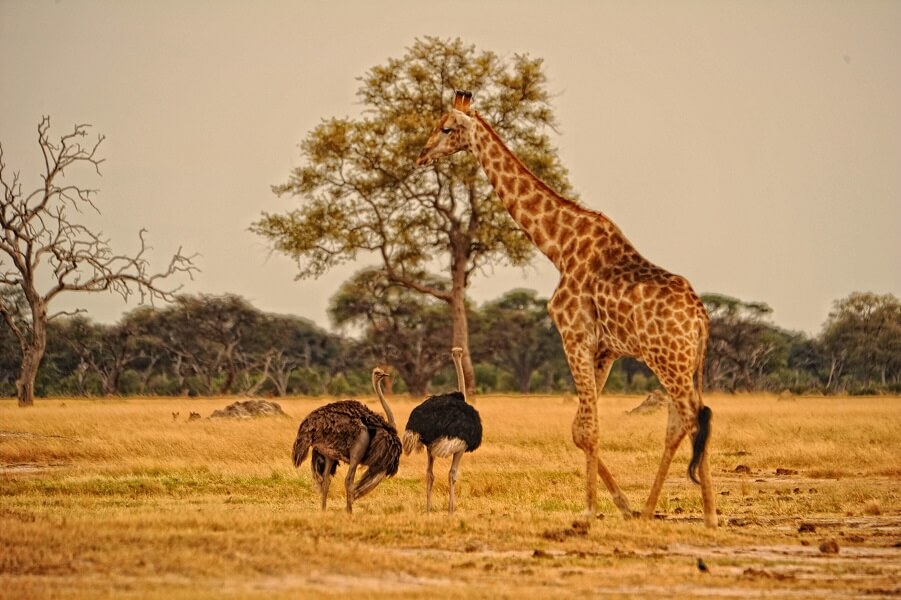
For wildlife enthusiasts, there’s nothing more thrilling than observing animals in their natural habitats. From the dense jungles of Asia to the vast savannas of Africa, the world offers countless opportunities for unforgettable wildlife encounters. This blog explores some of the best places on the planet to experience close-up interactions with nature’s most magnificent creatures, including the serene wilderness of Botswana.
1. Serengeti National Park, Tanzania
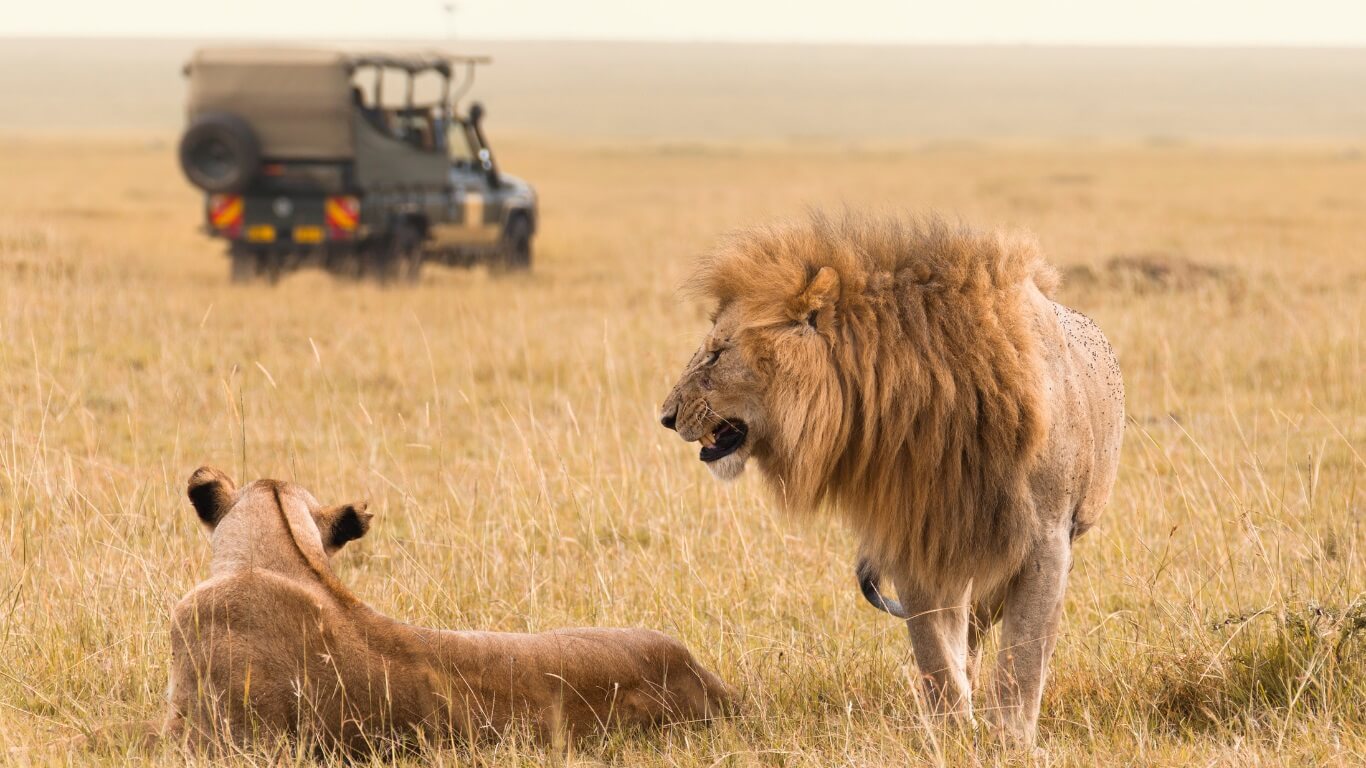
The Serengeti is synonymous with the Great Migration, one of the most spectacular wildlife events on Earth. Every year, over two million wildebeest, zebras, and gazelles traverse the plains in search of fresh grazing grounds. This awe-inspiring journey attracts predators like lions, cheetahs, and crocodiles, offering unrivaled wildlife viewing opportunities. Visit during the migration period (June to October) for a front-row seat to nature’s greatest show.
2. Okavango Delta, Botswana
Take a Botswana luxury safari to the Okavango Delta, a haven for wildlife lovers, offering one of the most unique ecosystems in the world. This sprawling inland delta floods seasonally, attracting a plethora of wildlife, including elephants, hippos, crocodiles, and numerous bird species. Luxury lodges such as Mombo Camp and Vumbura Plains provide intimate and exclusive safari experiences, where you can explore the delta by mokoro (dugout canoe), on foot, or via traditional game drives. The delta’s diverse habitats and rich wildlife make every encounter an adventure.
3. Galápagos Islands, Ecuador
The Galápagos Islands are renowned for their unparalleled biodiversity and the unique wildlife that inspired Charles Darwin’s theory of evolution. Located off the coast of Ecuador, these volcanic islands are home to species found nowhere else on Earth. From giant tortoises and marine iguanas to blue-footed boobies and Galápagos penguins, the wildlife here is both diverse and approachable. Snorkeling, diving, and guided tours provide close-up encounters with these fascinating creatures in their natural habitats.
4. Borneo, Malaysia and Indonesia
The island of Borneo, shared by Malaysia, Indonesia, and Brunei, is a paradise for wildlife enthusiasts. Its dense rainforests are among the oldest in the world, offering a sanctuary to an incredible array of species, including orangutans, pygmy elephants, and proboscis monkeys. The Sepilok Orangutan Rehabilitation Centre and the Danum Valley Conservation Area are must-visit spots for witnessing these incredible animals. Trekking through Borneo’s lush jungles and cruising along its rivers provide unforgettable wildlife encounters.
5. Kruger National Park, South Africa
Kruger National Park is one of Africa’s largest and most renowned game reserves, home to the Big Five (lion, leopard, elephant, rhino, and buffalo) and a diverse range of other wildlife. The park’s extensive road network makes it accessible for self-drive safaris, while luxury lodges and guided tours offer more exclusive experiences. Whether on a game drive or a bush walk, Kruger delivers close-up encounters with Africa’s iconic animals. For those looking to give back to this amazing country a rewilding South Africa trip is a great way to do so.
6. Yellowstone National Park, USA
Yellowstone National Park is America’s first national park and a hotspot for wildlife viewing. Located primarily in Wyoming, the park is home to grizzly bears, wolves, bison, elk, and more. The Lamar and Hayden Valleys are particularly rich in wildlife, offering excellent opportunities to see these animals in their natural settings. Visit during the spring and fall for the best chances to observe the park’s diverse fauna.
7. Chobe National Park, Botswana
Another gem in Botswana, Chobe National Park is famous for its large elephant population. The Chobe Riverfront is an ideal location for water-based wildlife viewing. Sunset boat cruises provide a unique perspective on the park’s abundant wildlife, including hippos, crocodiles, and various bird species. Game drives in Chobe also offer the chance to see lions, leopards, and the elusive African wild dog.
8. Pantanal, Brazil
The Pantanal is the world’s largest tropical wetland, located primarily in Brazil, with parts extending into Bolivia and Paraguay. It is one of the best places to see jaguars in the wild. The region is also home to a vast array of wildlife, including capybaras, giant otters, caimans, and hundreds of bird species. Boat safaris and guided tours provide the best opportunities to see these animals up close.
9. Ranthambore National Park, India
Ranthambore National Park is one of the best places in India to see Bengal tigers in their natural habitat. Located in the state of Rajasthan, the park’s diverse landscapes of forests, lakes, and ancient ruins provide a stunning backdrop for wildlife viewing. In addition to tigers, Ranthambore is home to leopards, sloth bears, and a variety of deer species. Jeep safaris are the most common way to explore the park and spot its incredible wildlife.
10. Bwindi Impenetrable National Park, Uganda
Bwindi Impenetrable National Park is renowned for its population of mountain gorillas. Located in southwestern Uganda, this dense forest offers one of the most profound wildlife experiences on Earth: gorilla trekking. Guided by experienced trackers, you can hike through the forest to spend time with a gorilla family, observing their behavior up close. The park is also home to other primates, elephants, and numerous bird species, making it a biodiversity hotspot.
From the iconic plains of the Serengeti to the lush rainforests of Borneo, the world is full of incredible destinations for wildlife encounters. These places offer unique opportunities to connect with nature and observe some of the planet’s most fascinating creatures in their natural habitats. Whether you’re exploring the Okavango Delta’s waterways or trekking through Uganda’s Bwindi Impenetrable Forest, these wildlife adventures are sure to leave lasting memories and a deeper appreciation for the world’s natural wonders.