








Botox: The Unexpected Hero in Teeth Grinding Management

Understanding Teeth Grinding
Teeth grinding, also known as bruxism, affects many people worldwide. It occurs unconsciously, often during sleep. The condition can lead to severe dental problems, headaches, and jaw pain. Traditional treatments include mouthguards and stress management. However, Botox for teeth grinding management in Birmingham has emerged as a surprising and effective solution.
The Role of Botox in Bruxism
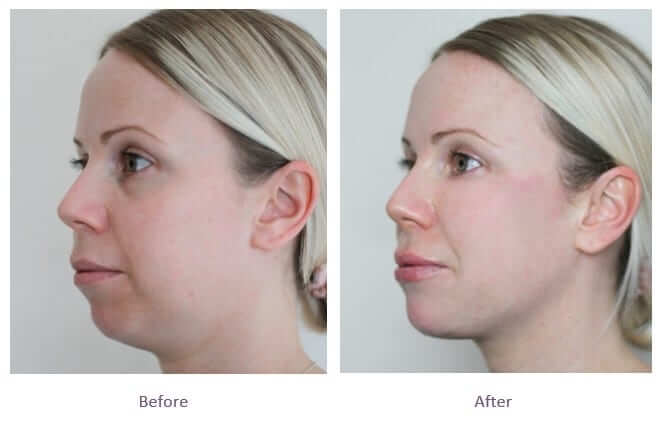
Botox, widely known for cosmetic use, has proven beneficial in treating bruxism. It works by relaxing the muscles responsible for teeth grinding. Injecting Botox into the jaw muscles can reduce the intensity and frequency of grinding, offering significant relief to sufferers.
Benefits of Using Botox for Teeth Grinding
Using Botox for bruxism offers several advantages. Firstly, it provides quick relief. Patients often notice improvement within a few days. Secondly, the procedure is minimally invasive, involving simple injections. Thirdly, it reduces the need for dental repairs caused by excessive grinding.
The Procedure and What to Expect
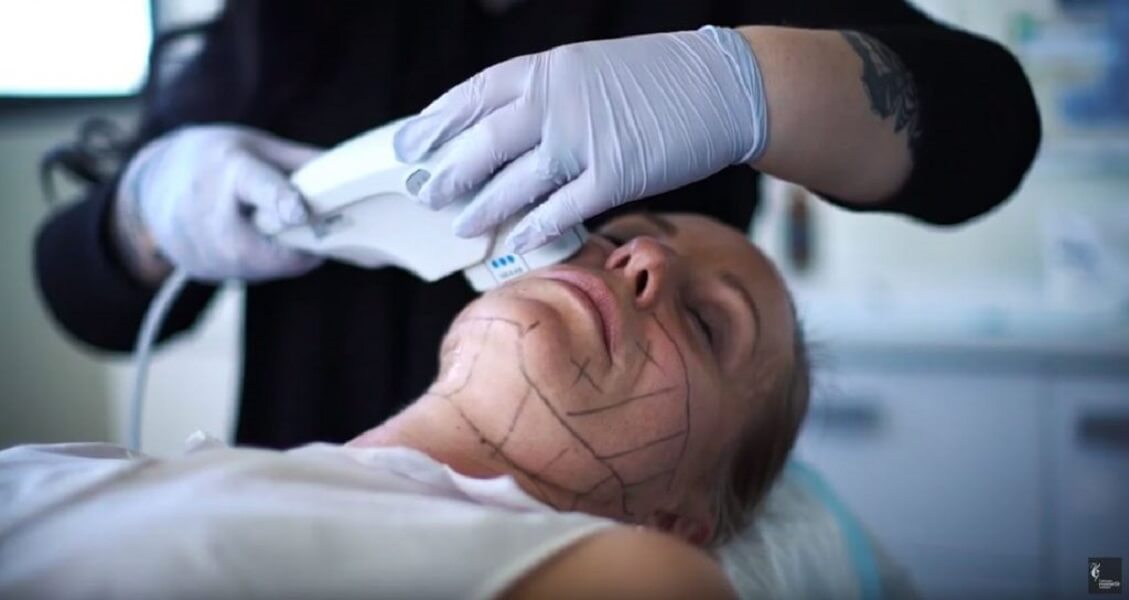
The Botox treatment for bruxism is straightforward. A healthcare professional administers injections into the masseter muscles, located on the sides of the jaw. The process takes only a few minutes. After the procedure, patients can resume normal activities immediately. Effects typically last for three to four months, after which follow-up treatments may be necessary.
Potential Side Effects
While Botox is generally safe, some side effects may occur. These can include temporary bruising, swelling, or pain at the injection site. Rarely, patients may experience muscle weakness or difficulty chewing. Consulting a qualified professional ensures the procedure is performed safely.
Comparing Botox with Traditional Treatments
Traditional bruxism treatments, such as mouthguards, can be cumbersome and uncomfortable. They also do not address the underlying muscle activity. Stress management techniques, while helpful, require significant lifestyle changes. Botox offers a convenient and effective alternative, directly targeting the problem muscles.
Is Botox Right for You?
Considering Botox for teeth grinding requires a thorough evaluation. Consult with a healthcare provider to discuss your symptoms and treatment history. They can determine if Botox is a suitable option based on your individual needs.
Conclusion
Botox has revolutionized the management of teeth grinding. It provides a quick, effective, and minimally invasive solution for bruxism sufferers. If traditional treatments have failed, Botox may be the unexpected hero you need to find relief.