










How Often Should You Mow Your Lawn – Finding the Right Schedule
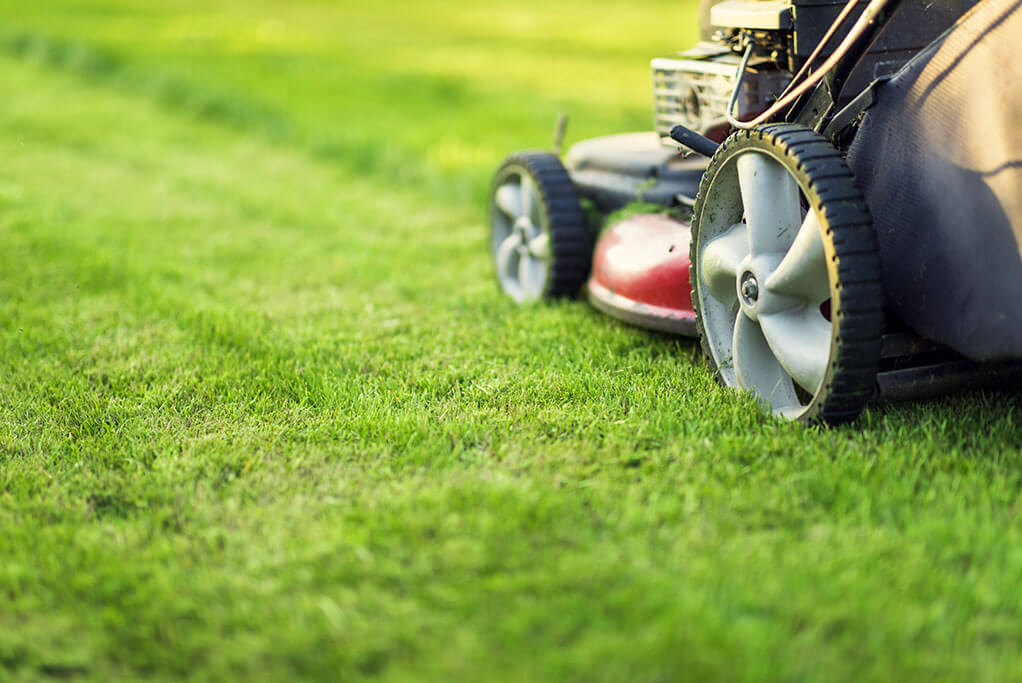
It takes more than simply occasional watering and fertiliser application to have a gorgeous lawn. Nope, frequent mowing is equally important! It’s important for maintaining the health of your lawn and keeping those bothersome weeds away, in addition to the obvious benefit of having your yard appear nice.
However, it might often feel like a challenge to figure out when to take the mower out. There are several things to take into account. We’ll guide you through every crucial detail to assist you in determining the ideal lawn mowing routine. Now let’s go to work ensuring that your grass remains beautiful and healthy throughout the entire year!
Factors that influence the mowing frequency
When it comes to keeping the trim of your lawn in good condition, there are numerous considerations to make. The kind of grass you have is a major factor, to start. Cool-season varieties like Kentucky bluegrass and fescue are real sprinters, shooting up fast, especially when spring and autumn roll around. Meanwhile, warm-season types like Bermuda grass and Zoysia grass take things a bit slower, especially during the summer months.
The weather is another important factor. Warm weather and lots of rain? That’s practically a blessing for your grass to grow like there’s no tomorrow, which means you’ll be running the mowers more frequently to maintain a tidy appearance. However, your grass may opt to take a little snooze if it’s dry or too hot, providing you with a little respite in between mows.
Regular upkeep of your grass should not be disregarded. If you feed your grass often, it will grow more fast and you will need to mow more frequently. But, it could cause issues, interfere with your grass’s growth, and throw off your mow schedule if you’re not giving it enough water or if you’re drowning it in it.
Determining your lawn’s ideal mowing schedule
Maintaining the finest possible appearance of your lawn requires careful attention to its growth and quality. Weekly lawn trimming is quite beneficial, especially for most lawns that are in full growth mode in the spring and early summer. However, you may find that you can give the lawnmower a little break and reduce back to mowing every 10–14 days as things start to slow down in late summer and early autumn. Naturally, everything relies on the kind of grass you have and the conditions Mother Nature presents.
The trouble is, though, you have to monitor your lawn’s condition and adjust your mowing schedule accordingly. It’s necessary to increase the frequency if your grass seems to be growing faster than you can say “lawnmower”. Conversely, you might allow it additional time between trims to recover if it appears a little lethargic or agitated.
Mowing best practices
Regardless matter how often you use the lawnmower, maintaining a well-groomed lawn is imperative. First, get the height of the mow exactly perfect. Like Goldilocks, it’s just right—not too tall, not too short. It should be 2.5–3.5 inches for warm-season grasses and 1.5–2.5 inches for cool-season grasses.
The true key, though, is to maintain your mower in peak condition! Maintaining your mower’s blades sharply will ensure a consistent, lovely cut. This is not jagged at the edges! If you give your lawn meticulous care and attention to detail, others in the neighbourhood will be jealous!
Signs that it’s time to mow
It’s not enough to just follow a timetable when determining when to mow your lawn; you also need to know what your grass actually requires. Imagine it as being like the whispers in your garden! It’s time for a mow when you start to see areas of grass that appear a little uneven or rough around the edges. Not only that, but also notice how tall your grass is growing. It’s time to break out the lawnmower if it’s towering over your favourite cutting height.
Special considerations for seasonal changes
Our lawns require changing care depending on the season, much like us. Your grass goes into overdrive and begins growing like there’s no tomorrow come springtime when everything is rousing from its winter hibernation. To keep it looking nice, that requires having more frequent mowing operations. But as summer gives way to autumn, things become a little more subdued. As the grass grows less quickly, you can mow less frequently.
Then there is winter, which is your lawn’s time to relax. Your grass hibernates, taking a well-earned break when the days become shorter and the temperature drops. This implies that you might not even need to start the lawnmower! Thus, as the seasons change, don’t forget to modify your mowing schedule and give your grass the care it requires to flourish all year long!
Benefits of regular mowing
You should give your outdoor living space with pergola the VIP attention it deserves by giving it regular mowing in addition to keeping it looking immaculate. You’re basically encouraging your grass to grow thick and lush when you mow it frequently at the proper height. Best of all, lush, thick grass prevents those annoying weeds from taking over your yard by acting as a natural weed barrier.
Not only that, but routine lawn care is similar to exercising your roots. It fortifies them, making your lawn incredibly resilient and equipped to withstand whatever adversity the environment may provide. Thus, by maintaining a consistent mowing schedule, you’re doing more than simply keeping your lawn looking great—you’re putting it in the greatest possible position to prosper!
Conclusion
It’s not difficult to determine when to mow your grass; all you have to do is monitor the situation and make small adjustments as you go. Thus, there’s no reason to worry!
You can maintain your lawn looking lush and beautiful all year long by monitoring its condition and making necessary changes to your mowing schedule. Simply consider what your grass requires and treat it with the care it needs to get that flawless finish each time you start the mowers.
Recall that all you need to do is show your lawn some love and care, and it will repay you with its breathtaking beauty!


